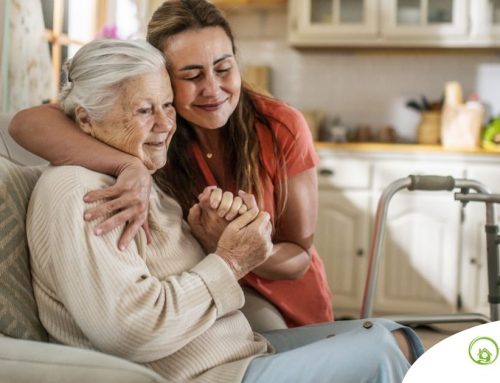

When families begin exploring home care services, they often focus on practical considerations like experience, scheduling, and qualifications. While those factors are essential, the relationship between a caregiver and client can have an equally powerful impact on the quality of care. A strong bond built on trust, communication, and compassion creates a more positive experience for everyone involved, highlighting the importance of the Caregiver and Client Relationship.
Exploring the dynamics of the Caregiver and Client Relationship reveals that beyond qualifications, it’s the personal bond that enhances the caregiving experience. This connection not only affects the immediate care provided but also influences the client’s overall satisfaction and emotional health.
Great caregiving goes beyond helping with daily activities; it creates meaningful connections that support emotional well-being, independence, and dignity. In this article, we’ll explore why the caregiver-client relationship is so important and how it contributes to better outcomes for seniors and greater peace of mind for families, emphasizing the significance of the Caregiver and Client Relationship.
For example, caregivers who make time for shared activities, such as reading together or enjoying a walk in the park, create opportunities for meaningful interactions. Such moments foster trust and a sense of belonging for clients, which are crucial in enhancing their emotional well-being.
A Strong Relationship Is the Foundation of Great Home Care
When families begin searching for home care services, they often focus on qualifications, experience, and scheduling. While those factors are important, there’s another element that has just as much impact on the quality of care: the relationship between the caregiver and the person receiving care, which is at the heart of the Caregiver and Client Relationship.
The caregiving relationship thrives on understanding and empathy. Caregivers who actively listen to their clients’ stories and preferences can tailor their approach to better suit individual needs, which in turn improves the quality of care.
The best caregivers don’t simply complete daily tasks they build trust, provide companionship, and become a reliable presence in someone’s life. Over time, those small interactions can have a meaningful impact on a client’s emotional well-being and overall quality of life.
Trust Takes Time
Building trust is an essential process in caregiving. It involves more than just fulfilling daily tasks; it requires caregivers to show genuine interest in their clients’ lives, thereby creating a safe environment for open communication.
Every new relationship starts with getting to know one another. For seniors receiving in-home care, welcoming someone into their home can feel like a big adjustment.
A compassionate caregiver understands this and takes the time to listen, learn routines, and respect personal preferences.
Trust grows through consistency:
- Arriving on time
- Following routines
- Remembering personal preferences
- Respecting independence
- Being patient during difficult moments
When trust develops, clients often become more comfortable asking for help, communicating concerns, and staying engaged in their care.
As trust develops, clients often feel more comfortable discussing their needs and concerns. This proactive communication can lead to more tailored support and an overall improvement in their quality of life.
Care Is More Than Completing Tasks
Professional caregivers assist with many daily responsibilities, including:
Moreover, caregivers play a pivotal role in addressing not just physical needs, but emotional ones as well. The companionship they provide can alleviate feelings of loneliness, which often plague the elderly, enhancing their emotional resilience.
- Meal preparation
- Personal care
- Medication reminders
- Light housekeeping
- Transportation
- Mobility assistance
While these services are essential, meaningful conversations and companionship often become just as valuable.
Through engaging conversations, caregivers can help clients reminisce and share life experiences, which can be immensely beneficial for cognitive health and emotional stability.
Sometimes the most important part of the day is simply having someone to talk to over breakfast or share a favorite television show with.
Independence Is Still the Goal
It’s vital for caregivers to empower clients by encouraging independence. This might involve letting them make choices about their meals or daily activities, reinforcing their self-worth and dignity.
One common misconception about home care is that caregivers take over everything.
In reality, great caregivers encourage clients to remain as independent as possible. Whether that means assisting with a walk instead of using a wheelchair or encouraging someone to prepare part of their own meal, maintaining independence helps preserve confidence and dignity.
Encouraging participation in care tasks can also foster a sense of agency among clients, contributing to improved mental health outcomes and a sense of achievement.
The Long-Term Benefits
A strong caregiver-client relationship often leads to:
A strong caregiver-client relationship not only benefits the clients but also enhances job satisfaction for caregivers, leading to better overall care quality.
- Better communication
- Increased emotional well-being
- Reduced loneliness
- Improved confidence
- Greater peace of mind for families
Caregiving can be rewarding, but it can also come with physical and emotional challenges. The National Institute on Aging’s Caregiving Toolkit offers additional resources for families and caregivers navigating these responsibilities.
In addition, seeking community support and resources can further enrich this relationship, providing caregivers with tools and techniques to improve their caregiving practices.
At OurCare Health, we believe exceptional care begins with genuine human connection. While skills and experience are essential, compassion is what transforms home care into something truly meaningful.
Ultimately, the Caregiver and Client Relationship remains a cornerstone of effective home care, emphasizing the importance of human connection in delivering compassionate and quality care.